2026-09-15 ·
Why Tucson‑Based Irrigation Repair Services Provide Faster Emergency Help
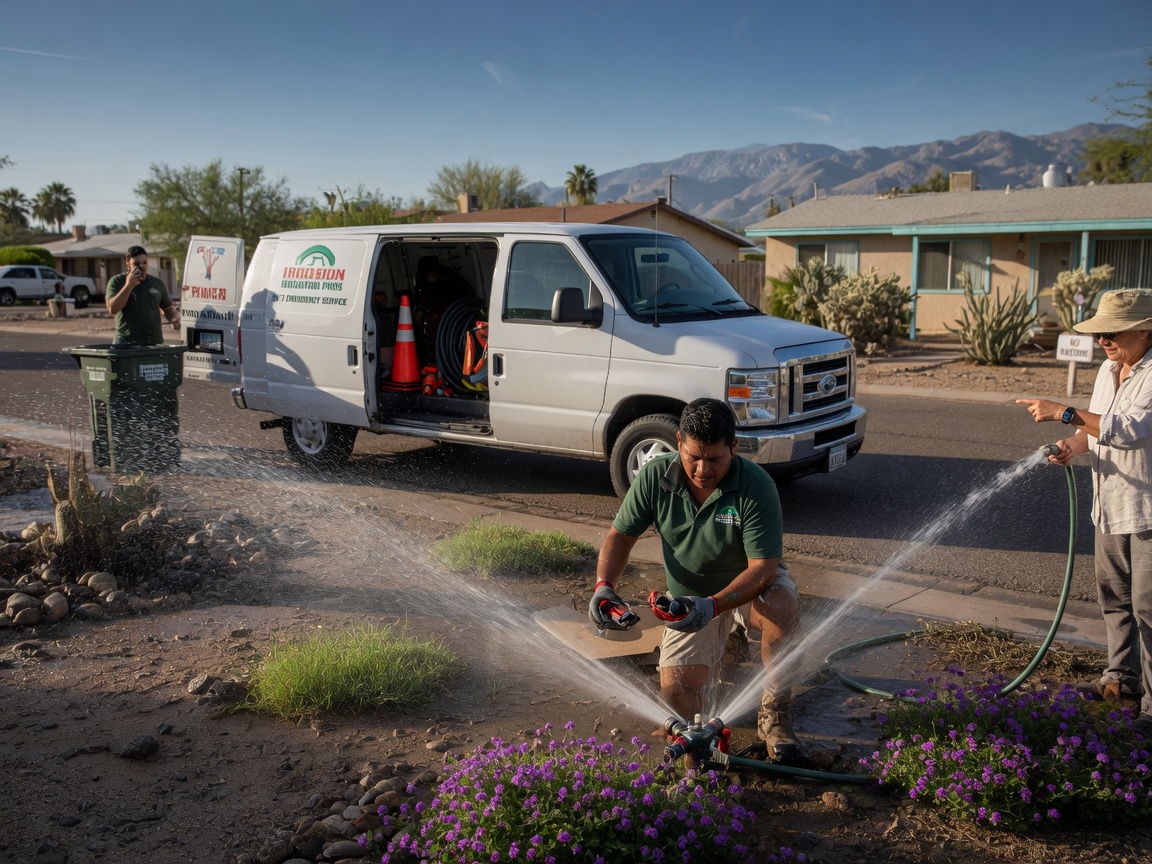
Tucson-based irrigation repair services reach properties in neighborhoods such as Tanque Verde and Rita Ranch within the time it takes crews from Phoenix or further away to even load a truck. Their starting point at addresses like 7240 E 22nd St places technicians minutes from common failure points along the Rillito River corridor and the Catalina Foothills where older PVC lines crack from heat expansion.
Proximity Cuts Response Windows in Pima County
Tucson crews avoid the long drives that out-of-town companies face on I-10 or Highway 77. A call from a homeowner in Oro Valley or Sahuarita lands a truck on site before the same request reaches a company based in Maricopa or Chandler. Local teams know which surface streets stay clear during rush hour near the University of Arizona and which back roads connect Vail to the Eastside without hitting construction zones. This geography knowledge directly shortens the interval between the first leak report and the arrival of tools and parts. Residents in Green Valley or Saddlebrooke see the difference when a main line bursts on a weekday afternoon; the local truck already carries the common 1-inch and 3/4-inch fittings stocked for Tucson water pressure ranges.
Knowledge of Local Soil and Water Conditions Prevents Delays
Arizona soil around Tucson contains layers of caliche that stop standard trenching equipment and force crews to switch methods on the spot. Technicians who work daily in these conditions arrive with the right bits and shims instead of making extra trips for supplies. Hard water scaling builds inside valves and drip lines faster here than in softer-water regions, so experienced crews recognize the white crust patterns and diagnose the valve or emitter without extended testing. Monsoon runoff carries sediment into underground lines in Tanque Verde washes, creating clogs that only someone familiar with seasonal flow patterns can locate quickly. That on-the-ground familiarity removes the trial-and-error steps that lengthen emergency visits from companies new to the county.
Stocked Parts and Route Experience Speed Emergency Irrigation Repair
Tucson shops keep higher inventories of components that fail most often under local conditions, including pressure vacuum breakers and backflow assemblies exposed to intense UV and temperature swings. When a homeowner in Catalina Foothills reports a sudden zone failure, the responding technician already carries the correct solenoid and diaphragm rather than ordering overnight parts. Route experience also matters on narrow streets in the Foothills or the gravel drives common in Oracle and San Manuel. Drivers know which gates and access points residents prefer, eliminating the time lost to wrong turns or repeated calls for directions. These small efficiencies compound when the job involves emergency irrigation repair after a freeze sensor missed a rare cold snap or after heavy monsoon debris entered the main line.
Practical Steps Homeowners Can Take Before Help Arrives
Shut off the controller at the panel and close the main valve at the backflow preventer to limit water loss while waiting for the crew. Note the exact zone numbers affected and any visible wet spots or sinking areas near sidewalks. Take a photo of the controller display showing error codes if present. These details let the technician pull the correct replacement parts from the truck on the first visit. For properties in areas like Marana or Casa Grande that sit farther from central Tucson stock, providing the controller model and approximate pipe size over the phone helps the crew load extras before departure. After the repair, schedule a follow-up irrigation system inspection to catch related issues before the next seasonal shift.
Closing the Gap Between Call and Fix in Arizona
Local presence, stocked trucks, and daily exposure to Tucson’s soil, water, and weather patterns combine to shorten every stage of an emergency call. Homeowners who contact crews already working inside Pima County avoid the added hours that come from long-distance dispatch and unfamiliar terrain. Keeping the controller schedule updated and noting changes after each monsoon or heat wave further reduces the chance of repeat failures that require another visit.