2026-09-15 ·
Understanding Arizona Water Regulations and How They Affect Irrigation Repair Services
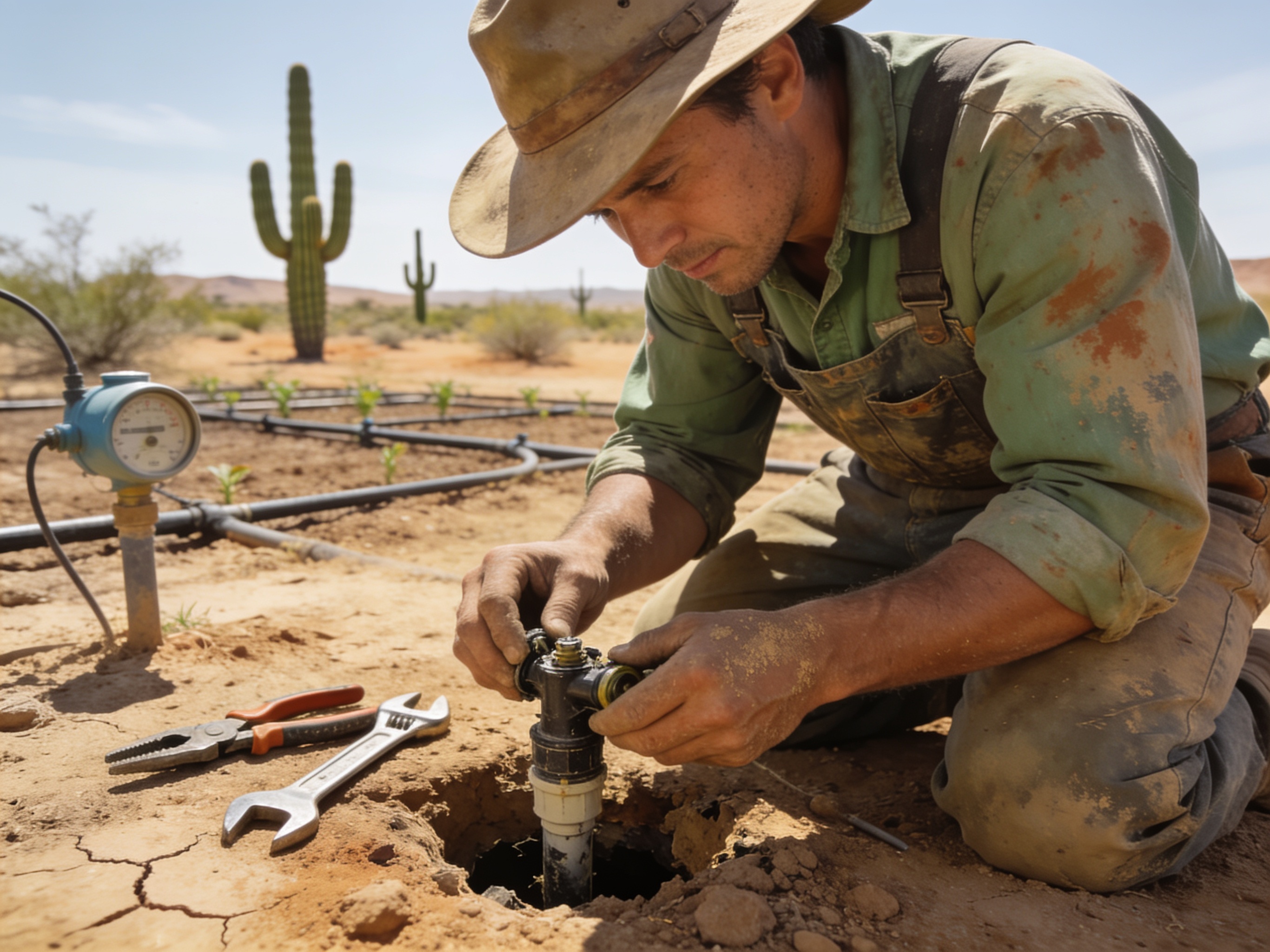
Arizona water regulations require irrigation repairs to preserve backflow prevention and system efficiency, with violations carrying fines starting at $100 and scaling higher for repeat issues in Tucson. These rules stem from state efforts to manage limited Colorado River allocations and local aquifer drawdown, forcing technicians to inspect and restore compliant components rather than simply patching leaks. In neighborhoods such as Catalina Foothills and Tanque Verde, older homes built before 1990 often have outdated valves that must be brought up to current standards during any service call. Technicians working from 7240 E 22nd St follow Mon–Fri 8am–6pm and Sat 9am–2pm schedules to handle these inspections without disrupting peak watering windows.
Arizona Water Regulations Overview
The Arizona Department of Water Resources enforces conservation measures that limit turf coverage and mandate efficient irrigation hardware in Pima County. These policies affect Tucson homes where summer temperatures routinely exceed 100 degrees and annual rainfall averages under 12 inches. Repairs cannot increase water use or bypass required devices, so technicians must verify flow rates and timer settings match permitted schedules. Properties in Oro Valley and Marana face additional municipal overlays that tie into county rules, requiring documentation of any valve or pipe work performed. Failure to align repairs with these standards can trigger audits during property transfers or after neighbor complaints about runoff onto streets.
Backflow Prevention Requirements During Repairs
State code demands functional backflow preventers on every irrigation system connected to municipal water in Tucson. During irrigation repair calls, technicians must test and restore these devices to prevent contamination risks from fertilizers or reclaimed water sources. In Rita Ranch and Vail, where many systems date to the 2000s housing boom, older pressure vacuum breakers frequently fail testing and require immediate backflow preventer repair to stay compliant. Homeowners in Sahuarita and Green Valley encounter similar mandates from local utilities that inspect annually. Repairs that ignore these devices leave properties exposed to citations and potential water shutoff until corrected.
Watering Restrictions and System Adjustments
Tucson enforces seasonal watering schedules that limit irrigation to certain days and hours, directly influencing how repairs are timed and programmed. Systems in Catalina Foothills and Saddlebrooke must use controllers set to these windows, so any irrigation controller repair includes reprogramming to avoid penalties. Hotter months increase evaporation rates, pushing technicians to adjust nozzle output and zone run times without exceeding allowed volumes. Properties near the Santa Cruz River corridor deal with additional soil salinity issues that affect drip emitter performance during fixes. Noncompliance shows up quickly in high-visibility areas like Tanque Verde where runoff draws complaints from HOAs.
Compliance Steps for Tucson Homeowners
Homeowners should request written confirmation that all replaced parts meet current backflow and efficiency standards after service. Scheduling inspections before peak summer heat helps catch issues in systems serving desert landscapes common in Oro Valley. Checking for proper rain sensor function during repairs prevents unnecessary watering on monsoon days. Resources such as The Ultimate Guide to Preventing Common Irrigation Problems in Tucson outline common pitfalls that trigger violations. Properties in Marana and Sahuarita benefit from pre-repair audits that document existing setups against local utility requirements.
Practical Outcomes for Irrigation Work in Arizona
Following these regulations during repairs keeps systems legal and avoids service interruptions common in older Tucson subdivisions. Technicians document every component change to satisfy future utility reviews. In areas like Green Valley, where groundwater management is especially tight, even minor lateral line fixes must preserve overall system balance. Homeowners gain reliable water delivery without risking fines when repairs align with state and county expectations from the start.