2026-09-15 ·
The Ultimate Guide to Preventing Common Irrigation Problems in Tucson
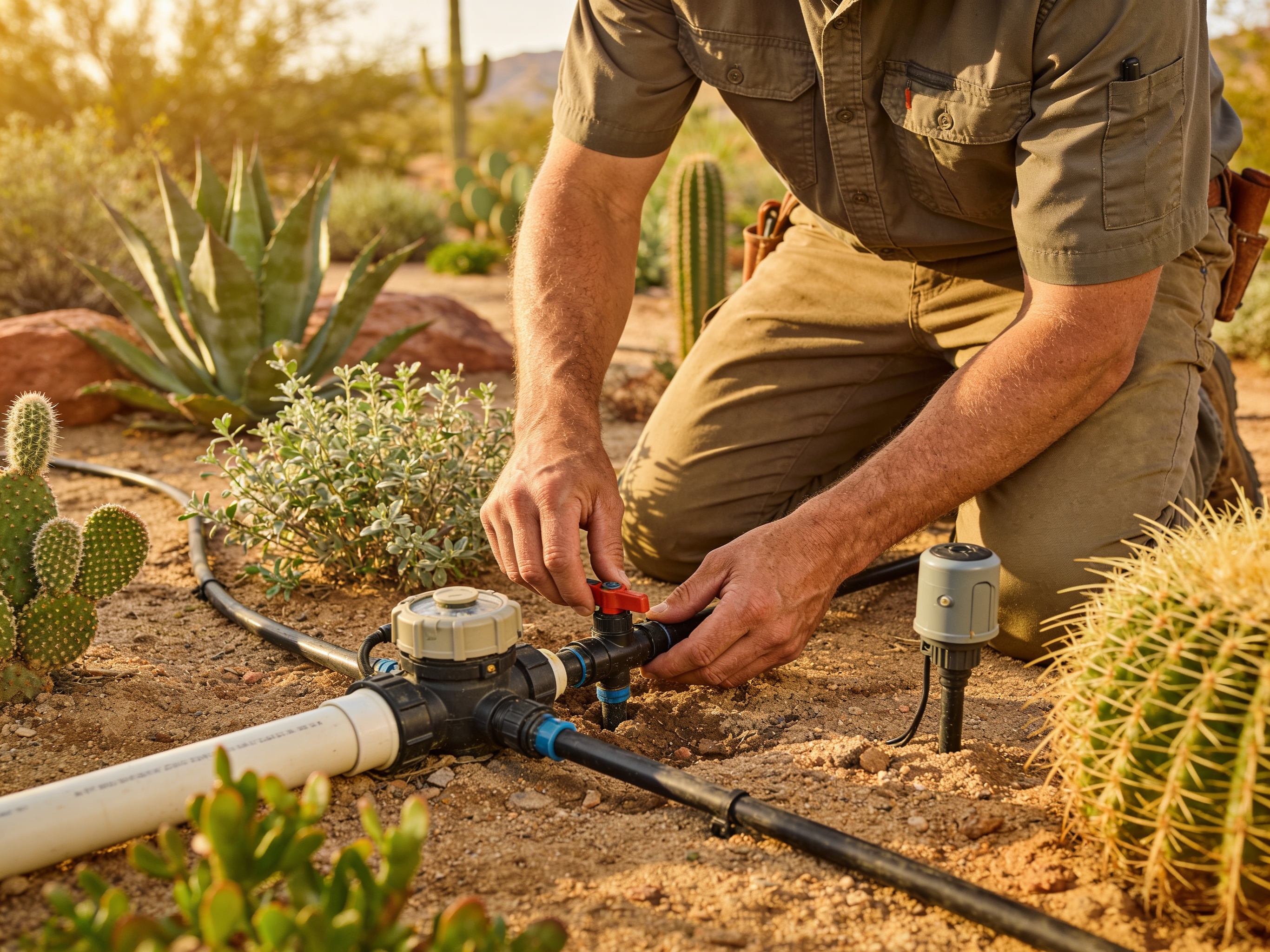
Tucson irrigation systems last longer and fail less often when owners focus on seasonal checks that match the area's 100-plus degree summers, July monsoon downpours, and occasional December freezes. Regular attention to pressure, valves, and heads prevents the leaks and dry zones that commonly appear in homes built before 1990 in Catalina Foothills and Tanque Verde.
Matching Maintenance to Tucson's Climate Patterns
Tucson's desert climate stresses irrigation components in predictable ways. Summer heat above 105 degrees warps plastic heads and accelerates evaporation, while monsoon rains in July and August push sediment into valves and emitters. Winter nights that dip near freezing can crack lines left full of water. Homeowners in Rita Ranch and Vail see these issues more often because many properties there still use original 1980s piping that has thinned from constant mineral exposure. Scheduling an irrigation system inspection each spring and fall catches early cracks before they become emergency repairs. Adjusting run times downward by 30 percent during peak heat and raising them only after monsoon storms keeps pressure balanced and reduces blowouts at joints.
Preventing Leaks from Hard Water and Pressure Spikes
Tucson water carries high calcium and magnesium levels that build scale inside pipes and valves within three to five years. This scale narrows passages and forces pumps to work harder, creating small leaks at fittings that go unnoticed until grass turns brown. Pressure spikes after city main repairs or during monsoon flooding push weak spots in older lateral lines common in Tanque Verde homes. Checking pressure at the backflow preventer monthly with a simple gauge and keeping it between 40 and 60 psi stops most line failures. Replacing worn irrigation valve replacement parts before they stick open avoids the constant flow that wastes hundreds of gallons overnight. Flushing each zone for two minutes at startup removes loose scale before it reaches emitters.
Seasonal Shutdown and Startup Procedures
Proper shutdown before the first freeze protects Tucson systems from burst pipes that occur when water expands in lines. Drain all zones, open the main drain, and insulate exposed valves near the 7240 E 22nd St area where nights cool fastest. In spring, a slow refill followed by a full seasonal irrigation adjustment prevents water hammer that cracks older PVC. Residents in Oro Valley and Sahuarita who skip this step often face main line repairs after the first 90-degree day. Programming controllers to run shorter cycles with soak intervals matches the sandy loam and caliche soils found across Pima County and reduces runoff on slopes.
Using Smart Controls and Sensors for Ongoing Reliability
Installing a smart controller with rain and freeze sensors cuts unnecessary run times during monsoon events and cold snaps, extending the life of heads and valves by several seasons. These units track local weather data from Tucson stations and adjust automatically, which helps properties in Green Valley and Marana stay compliant with regional water rules. Pairing the controller with an irrigation efficiency audit reveals zones that waste water on rock or gravel areas instead of turf. Homeowners who add these tools report fewer service calls and steadier landscapes through the hottest months.
When to Call for Professional Support
Even with diligent checks, systems in older Tucson neighborhoods eventually need targeted repairs. Persistent wet spots, uneven coverage, or valves that fail to close signal the need for irrigation repair before damage spreads to foundations or patios. Tucson Irrigation Pros operates from 7240 E 22nd St with hours Monday through Friday 8am to 6pm and Saturday 9am to 2pm, providing same-day assessments for residents across the metro area. Early intervention keeps small issues from turning into full-zone replacements during peak summer demand.